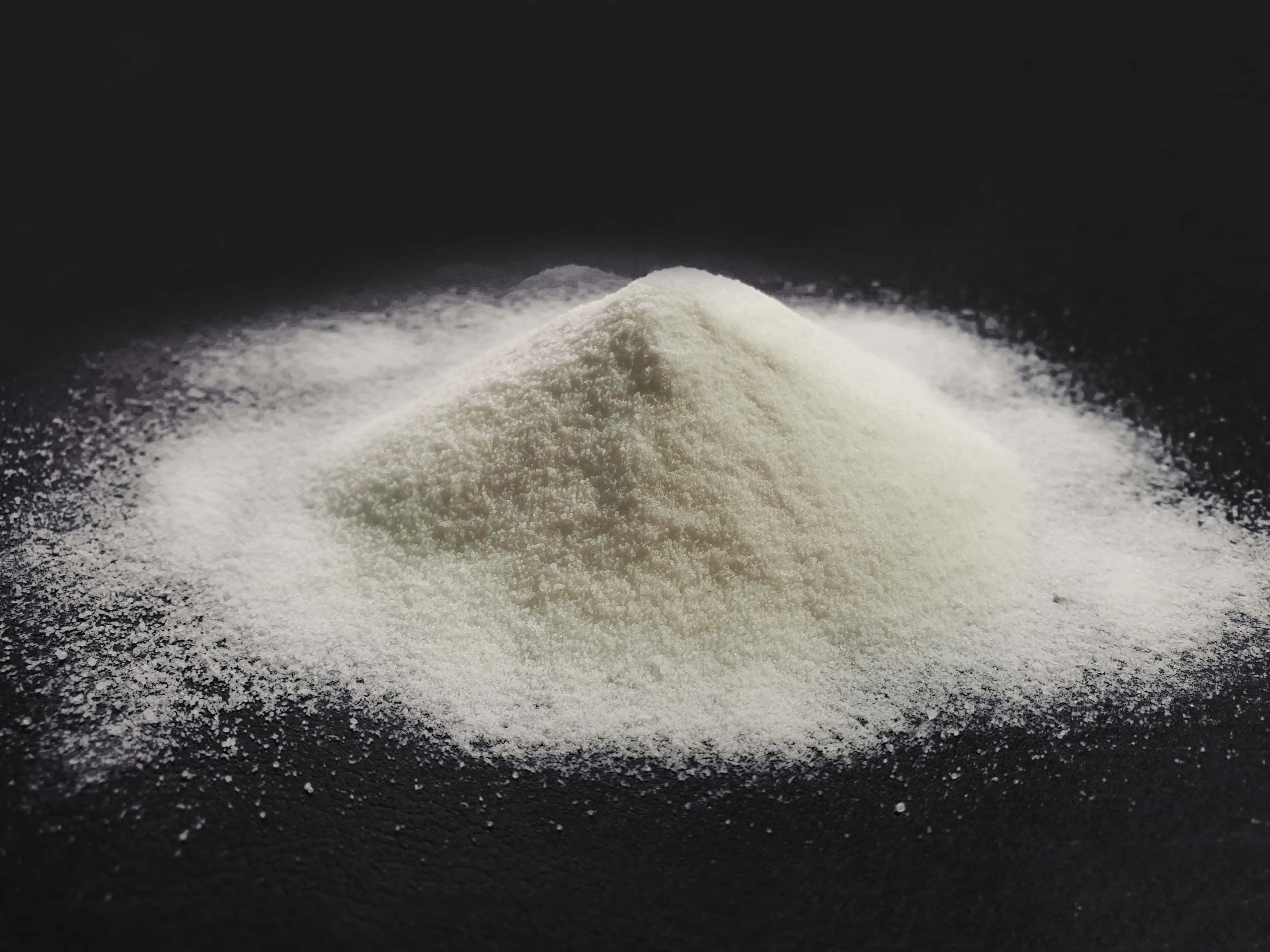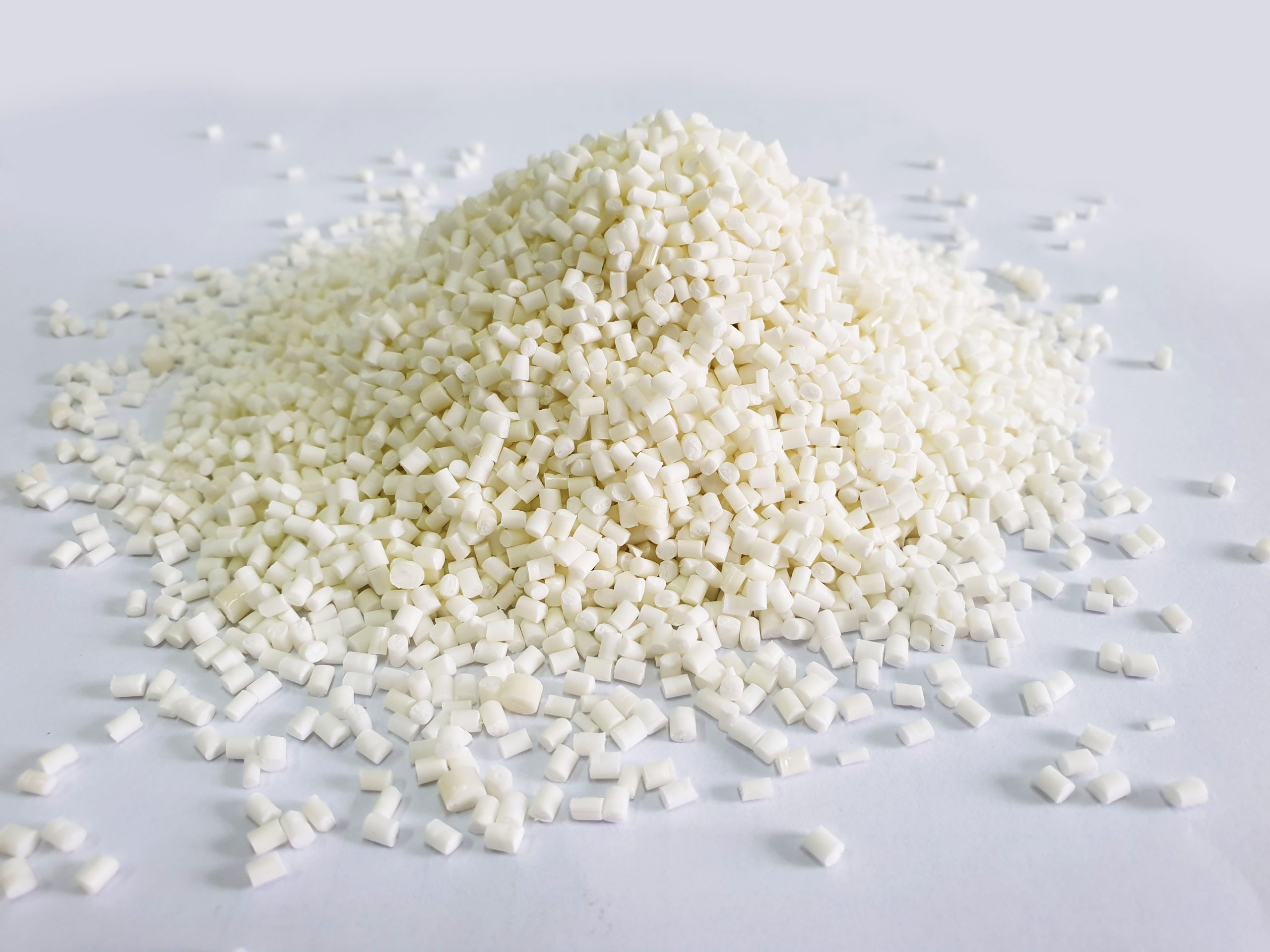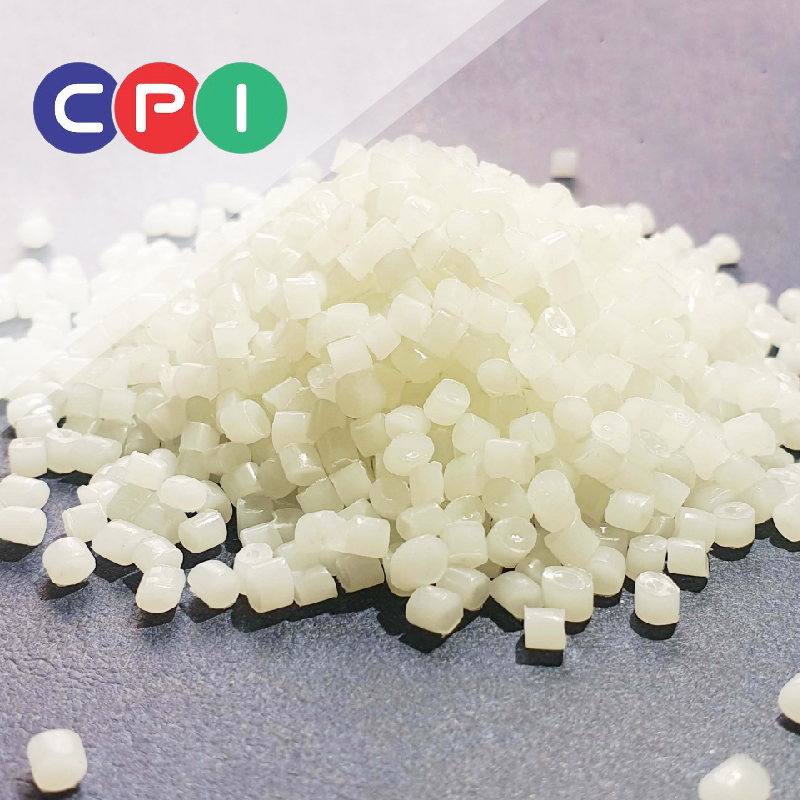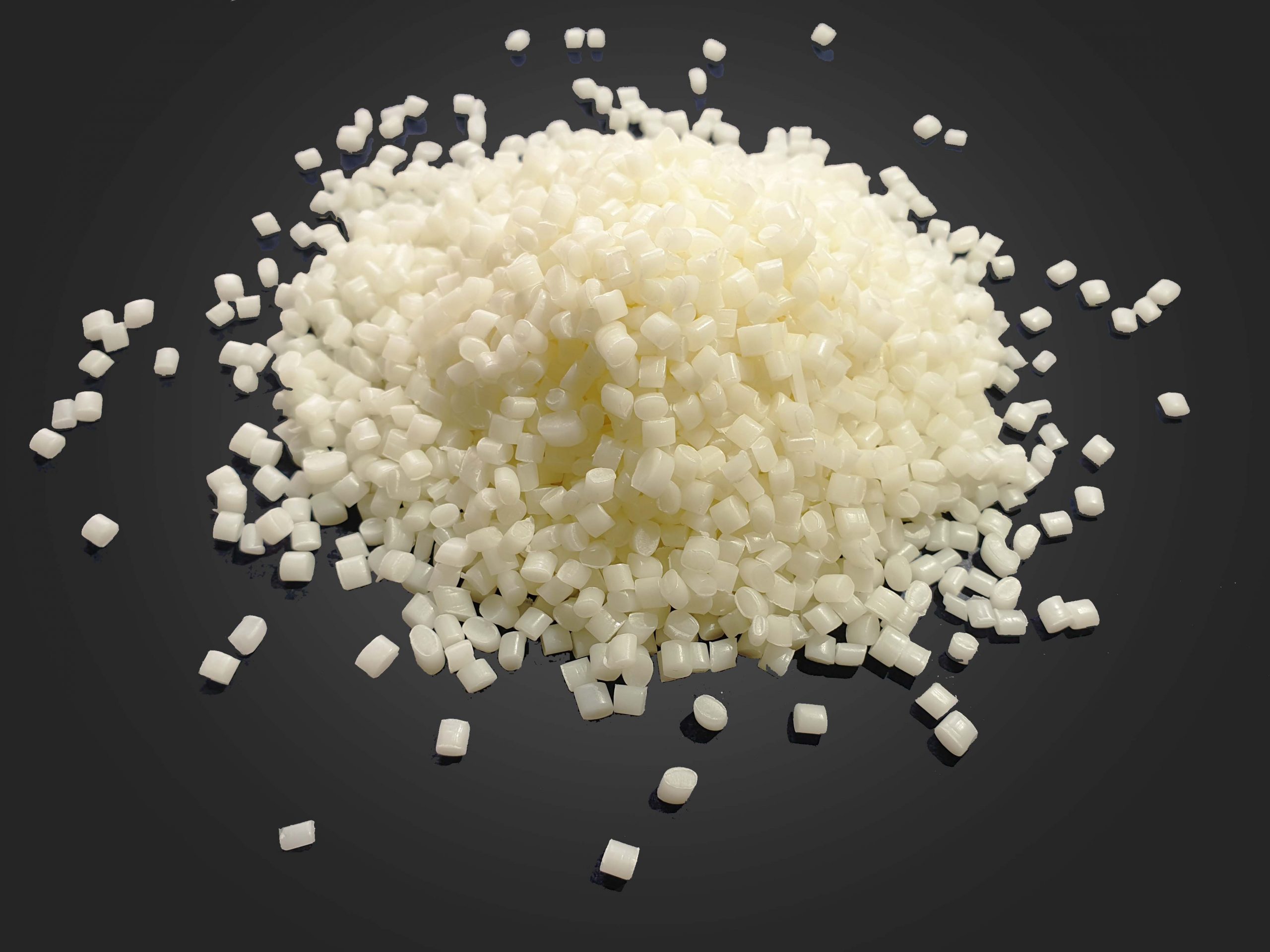
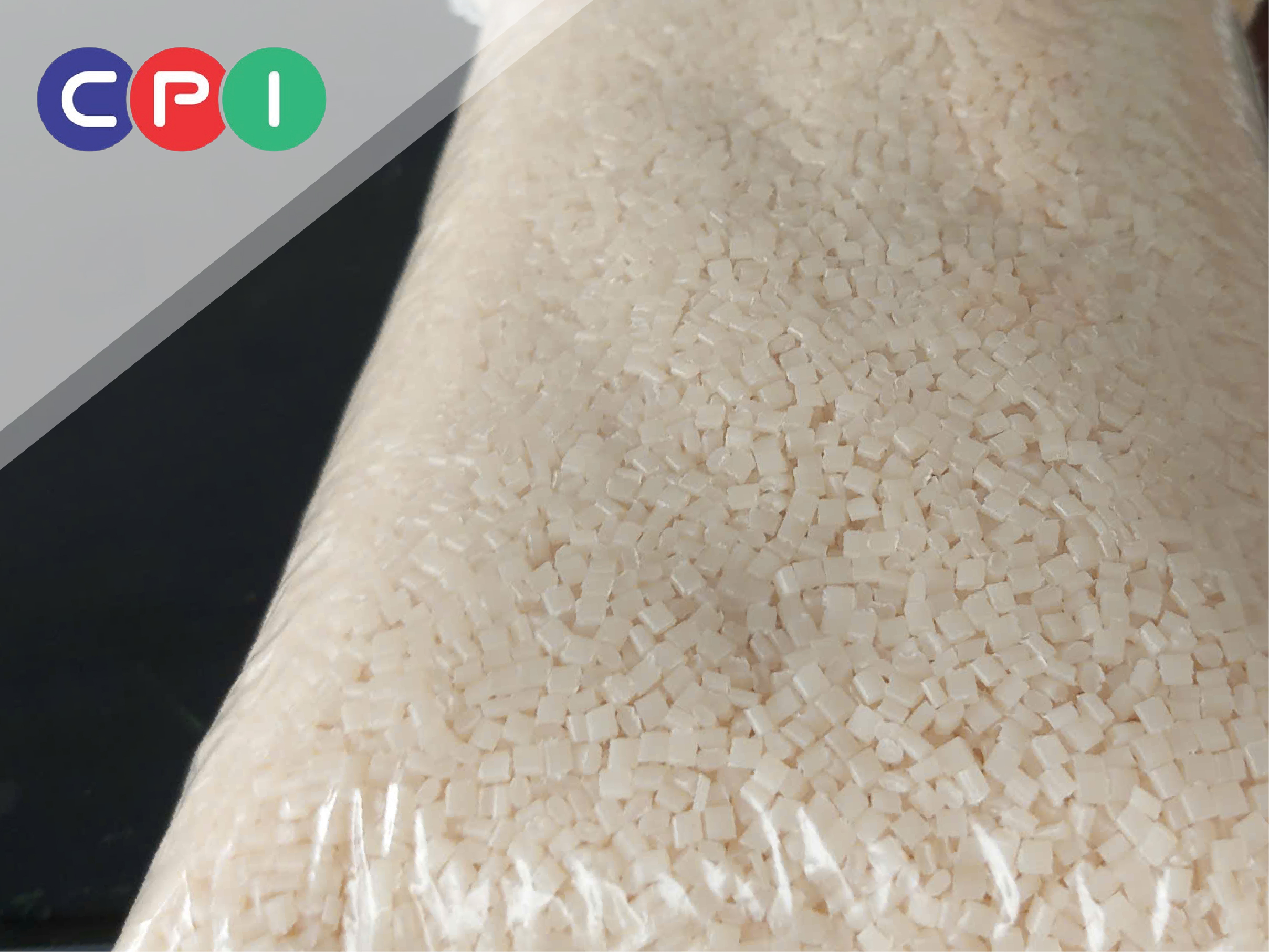
Plastic odor remover additive is an additive mixed with plastic raw materials during processing to help reduce unpleasant odors generated in plastic raw materials and products.
CPI Plastic's product is used for PE and PP plastics, especially suitable for applications using recycled plastic, where raw materials may contain odors arising from previous use, collection, and recycling processes.
The additive is directly added during the compounding or plastic processing with a recommended dosage of 0.5–1%, depending on the type of raw material, odor level, and product requirements.
Why does plastic have an unpleasant odor?
Unpleasant odors in plastic products can originate from various sources, especially during the use and recycling of raw materials.
For recycled plastics, the raw material may contain residues from previous use or generate odors during heating, compounding, and processing. These factors can make the odor more noticeable in the final product.
Therefore, in addition to controlling raw material sources and processing conditions, businesses can use plastic odor remover additives to help control odors during production.
How does CPI's plastic odor remover additive work?
The odor remover additive is mixed with plastic raw materials to form masterbatch pellets. The functional components in the additive help adsorb and control odor-causing agents, thereby reducing unpleasant odors in post-processed products.
Actual effectiveness depends on:
- type of plastic used;
- source of raw material;
- level and type of odor;
- processing conditions;
- heating temperature and time;
- additive usage ratio.
Therefore, CPI recommends that businesses conduct trials on actual raw materials before mass production to determine the appropriate usage ratio.
Advantages of CPI's plastic odor remover additive
Suitable for PE and PP plastics
The product is developed for PE and PP plastics, suitable for various processing applications of products made from these two material groups.
Helps manage odor in recycled plastics
Particularly suitable for applications using recycled plastic materials, where odor issues often need to be controlled during production.
Easy to mix
The additive is directly added to the raw material during the compounding or plastic processing.
Low usage rate
Recommended dosage from 0.5–1%, adjustable depending on the raw material and the odor level to be treated.
Helps improve the sensory quality of products
Odor control helps improve the user experience for plastic products with high odor requirements.
Where are plastic odor remover additives used?
CPI odor remover additives can be used for PE and PP plastic processing applications, especially products using recycled materials and requiring odor control.
Recycled plastics
- Recycled PE pellets
- Recycled PP pellets
- Products made from recycled plastics
- Applications requiring odor reduction in recycled materials
Household plastic products
- Plastic containers
- Plastic chairs
- Storage bins
- Plastic household items
Industrial plastic products
- Furniture accessories
- Plastic building products
- Plastic packaging
- Other industrial PE/PP products
How to use plastic odor remover additives
CPI odor remover additives are used for PE and PP plastics.
Step 1: Identify raw material
Identify whether the plastic being used is virgin or recycled PE/PP and assess the odor level of the raw material.
Step 2: Mix the additive
Mix the odor remover additive with the plastic raw material before processing.
Step 3: Start with the recommended ratio
Reference usage ratio: 0.5–1%
The actual ratio needs to be adjusted according to the raw material type, odor level, and product requirements.
Step 4: Conduct testing
Process samples and evaluate the level of odor reduction after processing.
Step 5: Optimize the ratio
After testing, businesses can choose the appropriate ratio to balance odor control effectiveness and usage cost.
When should odor remover additives be used?
Odor remover additives are particularly useful when businesses encounter one or more of the following issues:
- Recycled plastic raw materials have an unpleasant odor.
- Odor significantly increases after the heating process.
- Post-processed products still retain the raw material's odor.
- There is a need to improve the sensory quality of plastic products.
- Want to increase the use of recycled materials while still controlling odor.
- Need a solution that can be directly compounded into the production process.
Need to treat odor for PE, PP plastic raw materials?
If your business is facing odor issues in virgin or recycled plastics, CPI can provide consultation and conduct trials on actual raw materials.
Send your raw material and product information to CPI for consultation on a suitable odor remover additive solution.
Why choose CPI plastic odor remover additive?
CPI is a manufacturer and supplier of additives, masterbatches, and raw materials for the plastics industry. CPI's product system includes various additive groups serving different processing needs.
When choosing an odor remover additive, businesses not only need a product capable of reducing odor but also a solution suitable for their actual raw materials and production processes.
CPI supports businesses by:
- Consulting on additive selection based on plastic type.
- Supporting trials on actual raw materials.
- Advising on usage ratios.
- Providing technical support during application.
- Supplying products to meet production needs.
Frequently asked questions about plastic odor remover additives
Which types of plastic does CPI odor remover additive work for?
The product is currently used for PE and PP plastics, including applications using recycled plastic materials.
What percentage of plastic odor remover additive should be used?
The recommended usage rate is 0.5–1%. The specific ratio needs to be determined based on the raw material type and actual odor level.
Can the additive be used for recycled plastics?
Yes. The product is particularly suitable for processing applications using recycled PE and PP plastics that require odor control.
Can the additive be used during plastic injection molding?
The additive can be mixed with the raw material before being introduced into the processing stage. As production conditions vary for each factory, it is recommended to test on actual raw materials before mass production.
Does the odor remover additive change the color of plastic?
This needs to be evaluated for each specific material system and processing condition. CPI recommends testing samples before proceeding with mass production.
Does the additive affect the mechanical properties of plastic?
The actual impact needs to be assessed according to the plastic type, usage ratio, and processing conditions. Businesses should test samples before official application.
Does CPI provide samples for testing?
CPI provides test samples for businesses that need to evaluate effectiveness on actual raw materials.